
Why Your House Feels Cold Even When the Heat Is On (And How to Fix It)
If your home still feels cold even when the thermostat is set to a comfortable temperature, turning it up isn’t always the answer. A home can feel uncomfortable for several reasons, and the cause may have more to do with your home’s building envelope — such as the walls, foundation, roof and attic — than the heating system itself.
Where Is the Cold Coming From?
One of the most common causes of a cold or drafty home is air leakage. Small gaps and cracks around windows, doors, electrical outlets, plumbing, and other areas can allow cold outdoor air to enter and warm indoor air to escape.
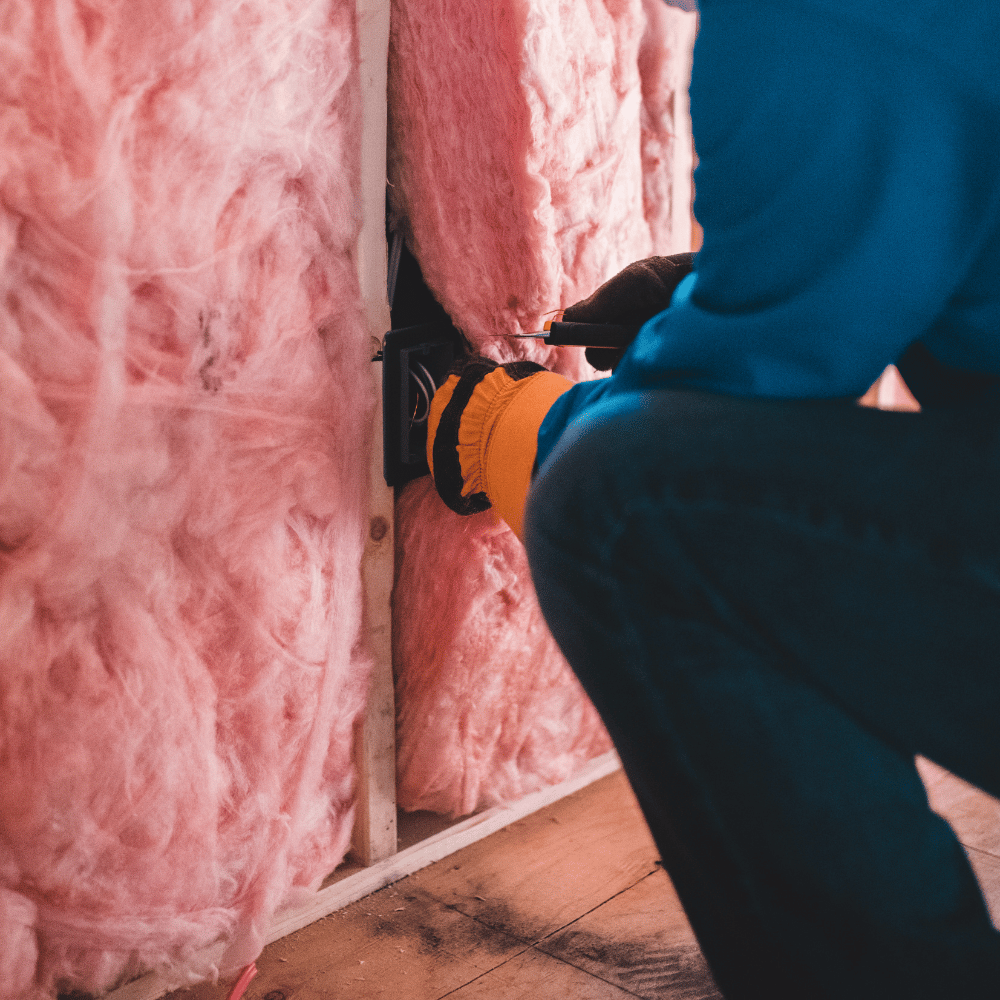
Another common issue is insufficient insulation. Insulation slows heat transfer between your home and the outdoors. If your attic, walls, basement, or crawlspace are under-insulated, your home may lose heat faster than your heating system can comfortably replace it.
Windows and doors can also contribute to heat loss, particularly if they are older, poorly sealed, or have gaps around the frames. However, replacing windows isn’t always the first or most effective upgrade. Other areas of your home may be responsible for more heat loss.
How Can You Fix It?
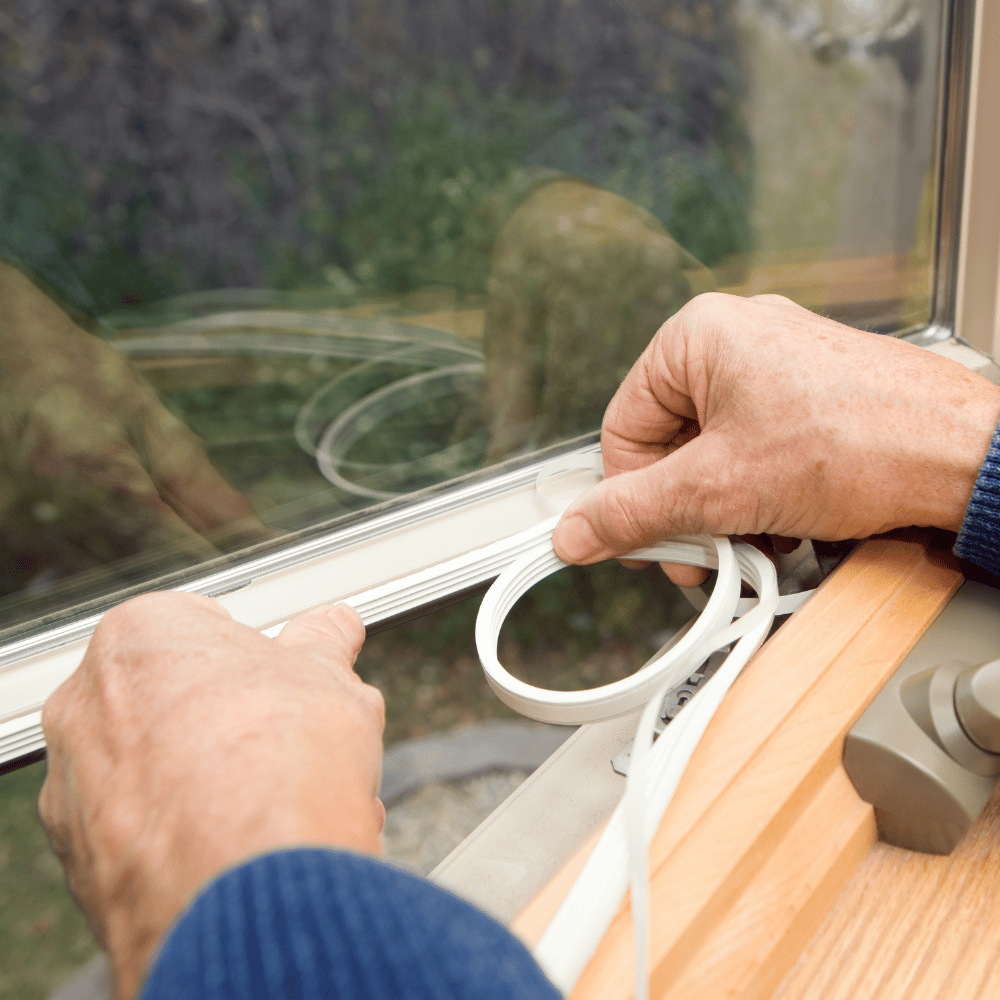
A great start is by identifying where your home is losing heat rather than simply turning up the thermostat.
An energy audit can help identify areas of air leakage and evaluate the insulation levels throughout your home. From there, you can prioritize upgrades such as:
- Air sealing to reduce drafts and uncontrolled air leakage
- Insulation upgrades to slow heat loss
- Window or door improvements where needed
- Heating or ventilation upgrades if your system is contributing to uneven temperature distribution throughout your home
You may not need to tackle everything at once. Understanding where your home is underperforming can help you focus your time and finances on the upgrades that are most likely to make a difference.
Ready to Make the Shift?
If your home feels colder than it should, you don’t have to guess at the reason or start making upgrades at random. The Shift Program can help you understand your home’s energy performance, prioritize the improvements that make the most sense, and connect you with the resources you need to get started. Book a call with one of our Home Energy Navigators to start planning your next steps.
Content provided for informational purposes only. Please refer to our Program Terms & Conditions for full details.