Air Sealing vs Insulation: What’s the Difference and What Should You Do First?
Starting a renovation is often the hardest part. When your focus is on energy efficiency, it can be difficult to know what upgrades to prioritize. Understanding the difference between common improvements can help you make informed decisions and move forward with confidence.
Let’s talk about air sealing and insulation: two processes often mentioned together, but very different in how they improve your home’s efficiency.
What Is Air Sealing?
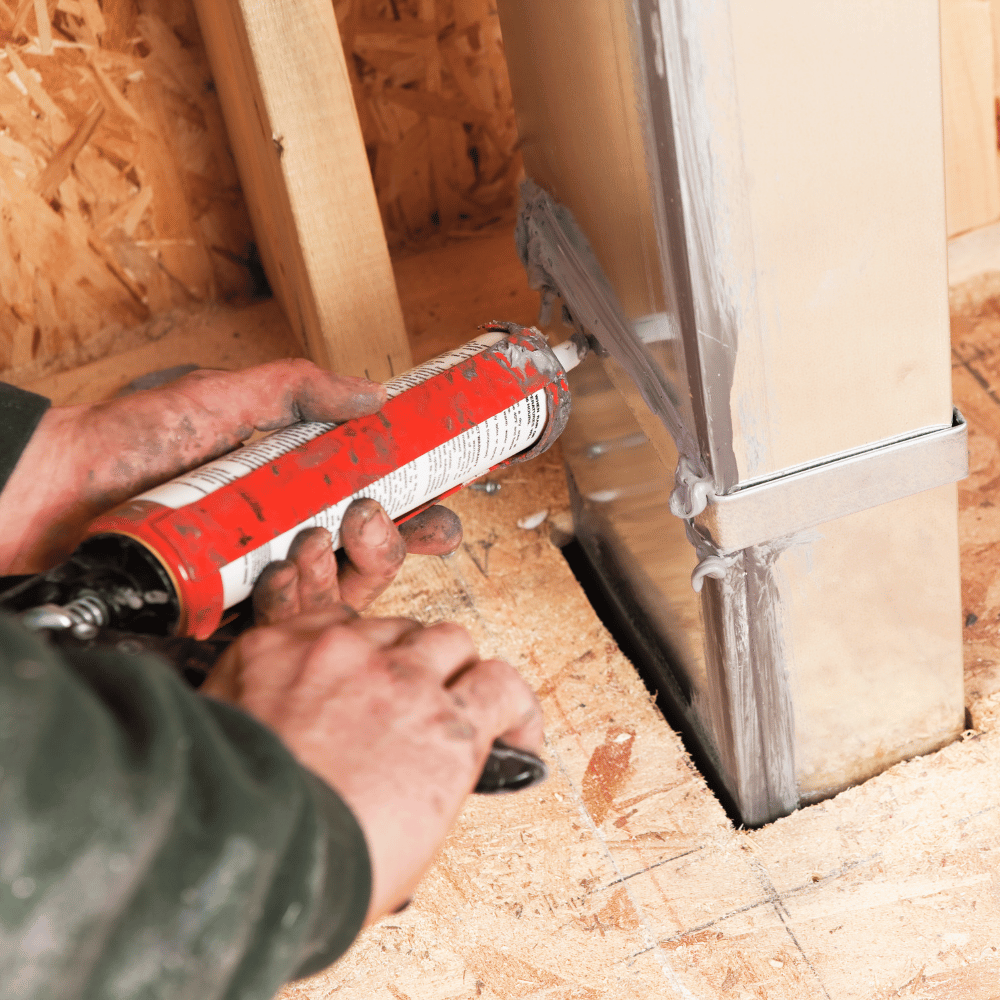
Air sealing is the process of stopping unwanted drafts and air leakage through small gaps and cracks in your home.
These leaks are often found around window trims, exterior doors, attic hatches, plumbing, and electrical penetrations. While some are noticeable as drafts, many are hidden and can add up significantly over time.
Air sealing helps reduce uncontrolled air movement, improving comfort and lowering energy loss.
What Is Insulation?
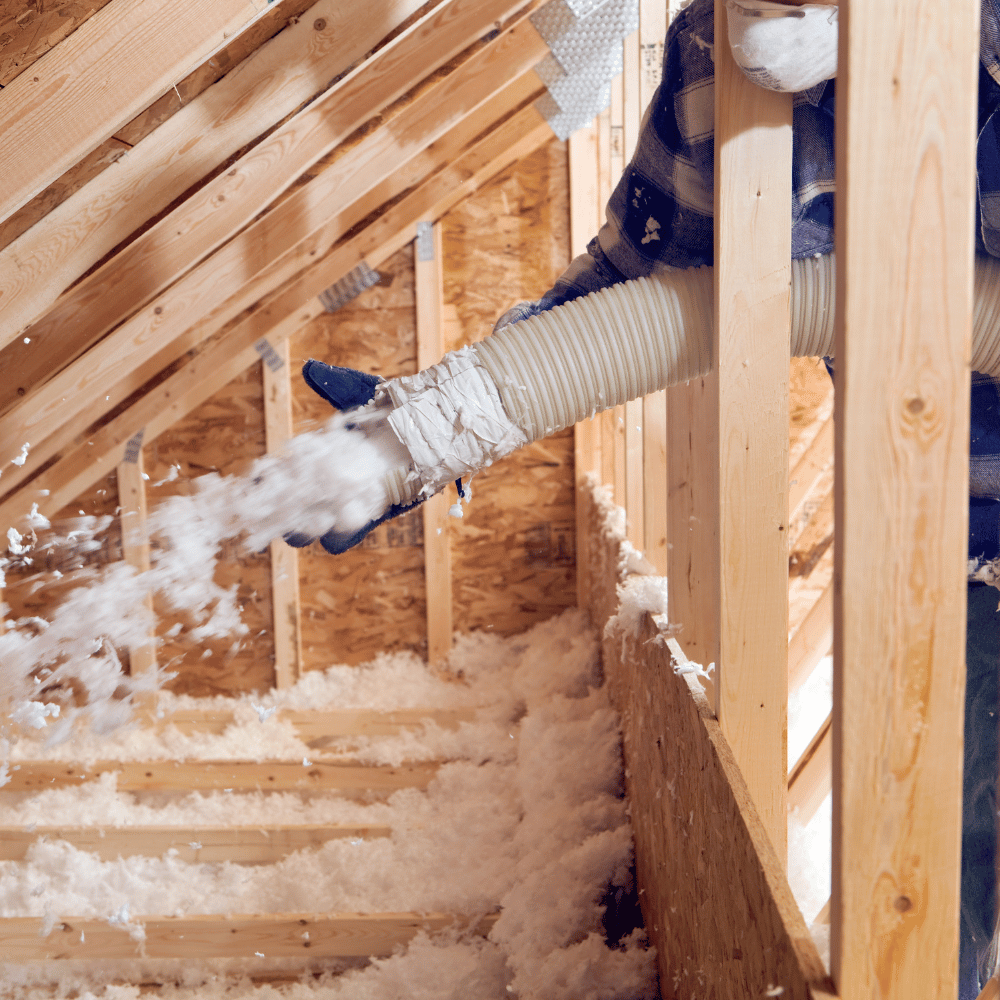
Insulation acts as a thermal barrier, it slows the transfer of heat/cool between the inside of your house and the outside temperature.
In other words, insulation is what keeps warm air inside during the winter and slows heat from entering during the summer, improving year-round comfort and efficiency.
Insulation is an important part of an energy-efficient home, but it works best when air leakage is also addressed.
Why the Order Matters
Adding insulation without first addressing air leaks is like wearing a winter coat without zipping it up. Heat can still escape, which reduces the overall performance of the insulation.
That’s why air sealing is often the first suggestion; it helps ensure your insulation can do its job effectively.
Together, air sealing and insulation work as a system to reduce heat loss and improve comfort.
What Should You Do First?
It depends on your home, but a good rule of thumb:
- Drafty home? Start with air sealing.
- Poor insulation? You likely need both.
- Not sure? → Get an energy audit!
An energy audit removes the guesswork by identifying where your home is losing energy and what upgrades will have the biggest impact.
Interested in learning more? Send us an email at [email protected] or book an introductory call through our website with one of our Home Energy Navigators.
Content provided for informational purposes only. Please refer to our Program Terms & Conditions for full details.